Bromley Council rules for hazardous waste in Mottingham
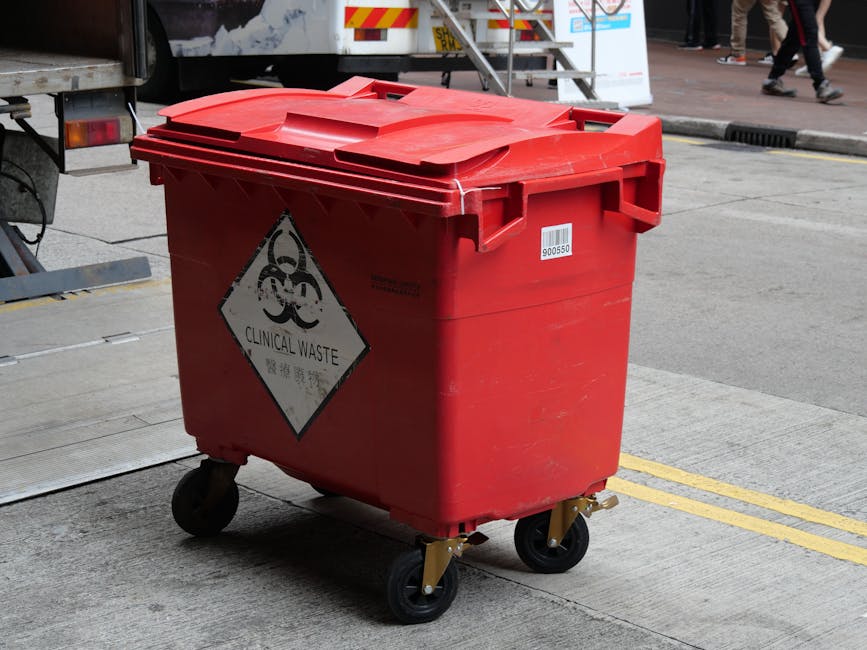
If you are dealing with old paint tins, chemicals, fluorescent tubes, asbestos-containing materials or anything else that feels a bit risky to keep lying around, you are not alone. The rules around hazardous waste can seem oddly specific, and in a place like Mottingham, people often want one simple answer: what can I put out, what must be separated, and what should I never just bin? This guide breaks down Bromley Council rules for hazardous waste in Mottingham in plain English, with practical steps, sensible caution, and a few real-world pointers you can actually use today.
To keep things easy to scan, the article covers what hazardous waste is, why the rules matter, how disposal generally works, common mistakes, and the safest next steps if you are clearing a home, garage, loft, office, or renovation site. You will also find a checklist and a comparison table so you can make a decision without second-guessing yourself for the next hour. Let's face it, nobody wants a mystery bag of solvents living in the hallway.
Why Bromley Council rules for hazardous waste in Mottingham matters
Hazardous waste is not just "rubbish you should probably be careful with." It is waste that can harm people, damage property, or contaminate other rubbish if it is handled badly. In a domestic setting, that might be a leaking tin of paint, an old pesticide container, a battery pack, a broken thermometer, or leftover DIY chemicals. On a business site, it can go much further: fluorescent lighting, oily rags, solvents, cleaning agents, adhesives, printer cartridges, and contaminated absorbents all need proper handling.
The reason the rules matter is simple. Once hazardous waste gets mixed with ordinary household or commercial waste, it becomes much harder to manage safely. One badly wrapped item can leak through a bag, stain a vehicle, or create fumes where you least expect them. That is the sort of problem nobody wants on a wet Tuesday afternoon, when the bin lorry is already late and the driveway is a mess.
For Mottingham residents, the topic is also local and practical. The area sits within Bromley borough arrangements, so the correct route for disposal depends on the type of waste, where it came from, and whether you are a household or a business. The basic principle is consistent: separate hazardous items early, keep them contained, and do not place them with general waste unless you are certain they are allowed there.
Key takeaway: the safest approach is to identify hazardous items before a clearance starts, not after they have been tipped into a mixed pile. That one habit saves time, reduces risk, and keeps the whole job calmer.
How Bromley Council rules for hazardous waste in Mottingham works
The exact route for disposal depends on the item, but the process usually follows a few clear stages. First, work out whether the item is genuinely hazardous or simply awkward to move. Then, keep it separate from normal waste. Finally, use the correct collection or disposal route for that type of item.
In practical terms, Bromley Council rules for hazardous waste in Mottingham usually mean three things for residents and businesses:
- Separation: hazardous items should not be mixed with everyday black-bag waste.
- Containment: liquids, powders, sharps, batteries, and chemical containers should be kept secure and upright where possible.
- Correct handover: only pass waste to a route that is suitable for that category of material.
For some items, the route may involve a council collection system, a local reuse or recycling channel, or a specialist waste contractor. For others, it may simply mean taking the item to a permitted facility through the correct process. The important thing is not to guess. Guessing is what gets people into trouble, and usually at the worst possible time.
A useful rule of thumb: if an item can burn, corrode, poison, explode, leak, or react with other materials, treat it with care until you have confirmed how it should be handled. That sounds obvious, but in day-to-day clearances people often move too fast. A cracked bottle in a loft box, for example, can be easy to miss until the smell hits you.
If you are already planning a larger clearance, it can help to pair hazardous sorting with a broader waste plan. For mixed domestic clearances, services such as home clearance or house clearance can be useful for the non-hazardous bulk, while contaminated or risky items are set aside for the correct route. That separation makes the whole job more efficient.
Key benefits and practical advantages
Following the rules properly is not only about compliance. It also makes the clearance easier to manage and often less stressful overall. A well-sorted load is quicker to assess, quicker to move, and less likely to produce an unpleasant surprise halfway through the job.
- Lower safety risk: fewer chances of spills, cuts, fumes, or accidental exposure.
- Cleaner sorting: hazardous items stay away from reusable furniture, recyclable material, and general waste.
- Less disruption: the process is smoother when the risky stuff is identified early.
- Better compliance: you reduce the chance of handing waste to the wrong route.
- More predictable costs: specialist handling is easier to plan for than last-minute problem solving.
There is also a quiet benefit that people sometimes overlook: peace of mind. Once the dangerous-looking items are correctly separated, the rest of the clearance feels manageable. You can breathe a bit easier. The room stops feeling like a chore and starts feeling like progress.
Expert summary: The best hazardous waste process is not the most complicated one. It is the one that is identified early, kept separate, and matched to the right disposal method without delay.
Who this is for and when it makes sense
This topic matters to a wide range of people in Mottingham, and not just those doing major renovations. In our experience, the people who need this guidance are often dealing with ordinary life events: a parent clearing a shed, a landlord preparing a flat, a small business emptying a storeroom, or someone finally tackling the loft after years of "I'll sort that later."
You may need to think about Bromley Council rules for hazardous waste in Mottingham if you are:
- disposing of old household chemicals, paint, varnish, or solvents
- clearing a garage, loft, basement, or garden shed
- working on a refurbishment, repair, or strip-out
- managing business waste with batteries, toner, aerosols, or cleaning agents
- handling items that may contain asbestos or other restricted materials
- sorting mixed waste after a bereavement, tenancy end, or long-term storage clearout
It also makes sense to pause and check the rules when the item is not obviously hazardous but still feels "off." A swollen battery, a strong-smelling container, a leaking can, or dusty old building material can all deserve a closer look. Better to stop and check than force it into the wrong bag.
If the work is commercial, a business should be extra careful about segregation, documentation, and storage. For many workplaces, business waste removal or office clearance can help with the broader load, but hazardous items still need individual attention. That point is easy to miss when a room is packed with old stock and broken fittings.
Step-by-step guidance
If you want the safest and least stressful route, follow a simple sequence. It is rarely glamorous, but it works.
- Identify the item. Check labels, containers, smell, condition, and origin. If you do not know what it is, assume caution.
- Separate it immediately. Put it away from general rubbish, recyclable items, and anything flammable or absorbent.
- Keep it contained. Use a sturdy box, sealed container, or upright tray where appropriate. Never leave leaking items loose in a car boot.
- Check the category. Is it liquid, solid, aerosol, battery, light tube, chemical, or construction-related material? Each category can follow a different route.
- Choose the right disposal method. Use the correct council, specialist, or licensed removal route for that item.
- Document where needed. Businesses should keep records, especially for regulated or recurring waste streams.
- Arrange the wider clearance. Move the non-hazardous waste separately so the job can continue safely.
For a home with mixed clutter, one useful approach is to clear the obvious safe items first, then revisit the "question mark" items with fresh eyes. A dusty tin in the back of a cupboard can look harmless until you notice the warning symbols. Odd little moment, but it happens all the time.
If you need support with bulky, non-hazardous items while you isolate the risky stuff, related services like garage clearance, loft clearance, and furniture disposal can help keep the project moving without mixing categories.
Expert tips for better results
A few small habits make a big difference. These are the sort of things that save an afternoon from turning into a headache.
- Sort in daylight where possible. Labels are easier to read, and spills are easier to spot.
- Keep materials upright. Especially liquids, aerosols, and anything with a cap or seal.
- Do not decant unknown liquids. If you are not sure what is inside, leave it in the original container.
- Avoid mixing different chemical types. Even when they look similar, they may not behave the same way.
- Use gloves and sensible footwear. Not because every item is dramatic, but because a small cut or splash is enough to ruin a perfectly good day.
- Plan a clean route out of the property. You do not want to carry a suspect container through a narrow hall full of boxes and coat pegs.
Another practical tip: if you are clearing after a long period of storage, check the lids and packaging before moving anything. Older containers can weaken, rust, or split. That faint chemical smell in the room? Worth paying attention to, not ignoring.
For larger jobs, it may be wise to combine safe removal of the general load with a proper sustainability mindset. The recycling and sustainability approach can help reduce what ends up in landfill, but hazardous items still need the right route first. Reuse and recycling only work when safety comes first.
Common mistakes to avoid
Most problems with hazardous waste are not caused by bad intentions. They happen because people are rushing, guessing, or assuming an item is "probably fine." That assumption is where the trouble starts.
- Putting hazardous items in normal bin bags. This is one of the easiest ways to create contamination or a spill.
- Breaking containers open to see what is inside. Very unwise. Also usually unnecessary.
- Mixing different waste types. Paint, batteries, oils, and contaminated rags should not be thrown together just because they were all in the same cupboard.
- Leaving items in hot cars or damp sheds. Heat and moisture can make some materials more unstable.
- Ignoring warning symbols. They are there for a reason, even if the label looks old and half-rubbed off.
- Hiring an unsuitable collector. If the material needs specialist handling, general clearance alone may not be enough.
A common one we see is the "I'll keep it in the hallway for now" move. Harmless enough for ten minutes, then the next delivery arrives, and suddenly there is a confusing obstacle course. You know the feeling. Best avoided.
Tools, resources and recommendations
You do not need a complicated toolkit, but a few basic items make a hazardous waste sort much easier and safer.
| Item | Why it helps | Best use |
|---|---|---|
| Strong gloves | Reduces minor exposure and cuts | Handling packaged items, sharp edges, dusty materials |
| Sealable plastic tubs or boxes | Keeps containers upright and contained | Small chemical containers, batteries, sealed cans |
| Labels or masking tape | Helps mark unknown or separated items | Sorting mixed clearances |
| Torch | Improves label visibility in lofts or sheds | Dark storage areas |
| Sack trolley or dolly | Limits lifting strain | Moving boxed material safely |
For homeowners, a simple written note can be a surprisingly good tool. List the item, where it was found, and whether the label is clear. That way, if you step away and come back an hour later, you are not relying on memory alone. Memory gets fuzzy. It just does.
For larger mixed clearances, it can help to separate the job into categories: bulky furniture, household clutter, garden debris, builders' rubble, and hazardous items. Services such as waste removal and builders waste clearance can support the wider project, while risky items remain isolated for specialist handling.
Law, compliance, standards, or best practice
Hazardous waste is a regulated area in the UK, so it pays to be careful. The exact legal duties can vary depending on whether the waste is from a household, landlord, contractor, or business, and on the nature of the material itself. That is why broad guidance is useful, but specific confirmation is still important before disposal.
In plain English, the safest best practice is to:
- identify hazardous waste early
- keep it separate from ordinary waste
- store it securely and safely
- use a disposal route appropriate to the waste type
- avoid informal or unlicensed handling arrangements
Businesses generally need to be even more disciplined than households. Waste records, transfer arrangements, and contractor checks can matter, especially for recurring streams or materials that carry extra risk. For that reason, using the right contractor is not just a convenience decision. It is part of good operational hygiene, if you like the phrase.
It is also worth keeping site safety in view. If a clearance involves broken glass, sharp metal, dust, damp packaging, or uncertain chemicals, the work should be approached as a safety task first and a tidying task second. That mindset keeps everyone calmer.
Where a property contains mixed household goods and hazardous items, internal sorting can be combined with a broader clearance plan. For example, a family clearout might use flat clearance or house clearance for the bulk of the contents, while certain items are withheld for the correct route. That split is often the cleanest way forward.
Options, methods, or comparison table
There is more than one way to handle waste in Mottingham, but not every method suits every item. Here is a practical comparison to help you decide what fits best.
| Method | Best for | Pros | Watch-outs |
|---|---|---|---|
| Self-separation and council route | Small household hazardous items | Simple for low volumes, can be cost-conscious | Needs careful sorting and correct identification |
| Specialist collection | Problem materials, mixed risk items, larger quantities | Safer handling, less uncertainty | Must ensure the provider is suitable for the waste type |
| Mixed clearance with item-by-item segregation | Homes, rentals, offices, garages, lofts | Efficient for larger projects | Requires good upfront planning |
In many real cases, the best choice is not one single method but a combination. A garage may contain old paint, batteries, broken shelving, and bags of normal clutter. You would not treat all of that the same way, and trying to do so is where things get messy. Better to separate first, then decide.
If you are weighing up service support, the helpful question is not "What is the cheapest option?" but "What option is appropriate for each material?" That slight shift makes decision-making much easier.
Case study or real-world example
A recent-style example: a Mottingham homeowner was clearing a detached garage after years of storage. Most of the contents were straightforward: cardboard boxes, old tools, a broken chair, and a tired shelving unit. But tucked behind a stack of containers were several old tins of paint, a can of insecticide, a few loose batteries, and a cracked bottle with an unreadable label.
The safe move was to stop the mixed disposal plan there. The household items went into the general clearance route, while the questionable containers were set aside, sealed where possible, and checked separately before any removal. It took a bit longer, yes. But it avoided contaminating the rest of the load, and the garage ended up fully cleared without drama.
That is usually how these jobs go in real life. A simple plan, a small pause, then the right action. Not exciting. Very effective.
If the wider job includes bulky household items that are safe to move, services such as furniture clearance or garage clearance can make the process more efficient while hazardous pieces stay separate. That balanced approach keeps the whole project under control.
Practical checklist
Use this checklist before any hazardous waste move or clearance.
- Have I identified each item clearly?
- Is any container leaking, damaged, or unlabeled?
- Have I separated hazardous items from normal waste?
- Are liquids, batteries, and chemicals stored upright and secure?
- Have I avoided mixing different waste types together?
- Do I know whether the item needs specialist handling?
- Have I removed children, pets, and unnecessary foot traffic from the area?
- Is the route out of the property clear and safe?
- Have I kept any records I need, especially for business waste?
- Have I chosen the most appropriate disposal route for each category?
If you can tick most of those off confidently, you are in a much better place. If not, pause. That is not failure. It is sensible judgment.
Conclusion
Hazardous waste rules can feel fussy at first, but once you break them down, they are really about three things: safety, separation, and proper handling. For Mottingham residents and businesses, understanding Bromley Council rules for hazardous waste means fewer risks, fewer mistakes, and a smoother route to getting the space back under control.
The main thing to remember is this: do not rush the unknown items. Sort them, contain them, and match them to the right route before the rest of the clearance moves ahead. That one habit makes a huge difference, especially in homes, garages, lofts, and workspaces where clutter has built up over time.
If you are planning a larger clearance and want help keeping the process organised, it is sensible to look at the broader waste picture too. Support pages like pricing and quotes, about us, and contact us can help you understand the service journey and next steps without overcomplicating things.
Get a free quote today and see how much you can save.
And if all you do after reading this is pull one suspicious box out of the pile and deal with it properly, that is still progress. Small wins count.
Frequently Asked Questions
What counts as hazardous waste in a Mottingham home?
Common examples include paint, solvents, pesticides, batteries, fluorescent tubes, aerosols, strong cleaning chemicals, and some construction materials. If an item can leak, burn, corrode, poison, or react, treat it carefully until you know the right route.
Can I put hazardous waste in my general rubbish bin?
Usually no. Mixed disposal is risky and can contaminate other waste. Hazardous items should be kept separate and handled through the correct disposal route for that material.
Do Bromley Council rules for hazardous waste in Mottingham apply to small DIY jobs too?
Yes, the principles still apply even for small jobs. A few tins of old paint or a bag of contaminated materials may seem minor, but they still need the right handling.
What should I do with old paint tins?
Keep them sealed and separate from other rubbish. If the tins are damaged or leaking, handle them cautiously and seek the correct disposal route rather than tipping them into mixed waste.
Are batteries treated as hazardous waste?
Often yes, especially larger batteries or damaged battery packs. They should not be thrown loosely into normal waste because they can leak, overheat, or short-circuit.
What if I do not know what is inside an old container?
Do not open it unless you are sure it is safe. Leave it sealed, isolate it from other items, and treat it as unknown until you can identify it properly.
Can I include hazardous items in a house clearance?
Not with the general load unless the disposal method specifically allows it. A house clearance can cover the bulk of safe household items, but hazardous material needs separate handling.
Do businesses need extra paperwork for hazardous waste?
Often they do. Business waste usually involves more formal handling, record-keeping, and contractor checks. The exact duties depend on the material and the situation.
What is the safest way to store hazardous waste before collection?
Keep it upright, sealed where possible, and away from heat, children, pets, and normal rubbish. Do not leave leaking items loose in a car or damp storage area.
Is it worth hiring help for a small amount of hazardous waste?
Sometimes yes, especially if the items are awkward, unknown, or part of a much bigger clearance. If the rest of the property also needs clearing, professional support can save a lot of time and hassle.
What is the biggest mistake people make with hazardous waste?
Mixing it with ordinary waste. It sounds simple, but it causes most of the avoidable problems: contamination, spills, and confusion about how to dispose of everything else.
How do I decide whether to deal with it myself or get help?
Ask three questions: Do I know what it is? Is it safely contained? Is the disposal route clear? If the answer to any of those is no, it is usually better to stop and get the right guidance before moving anything further.