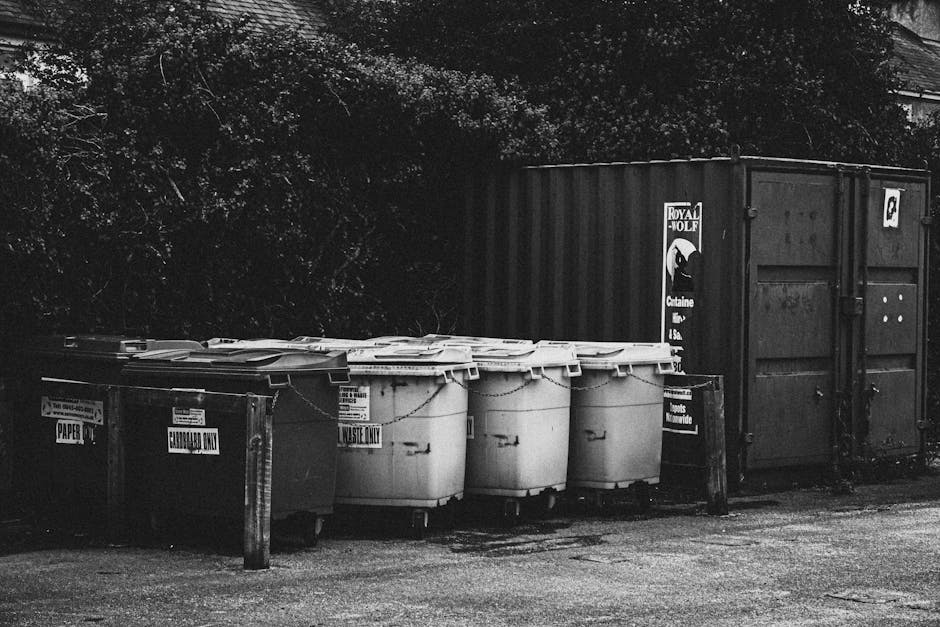
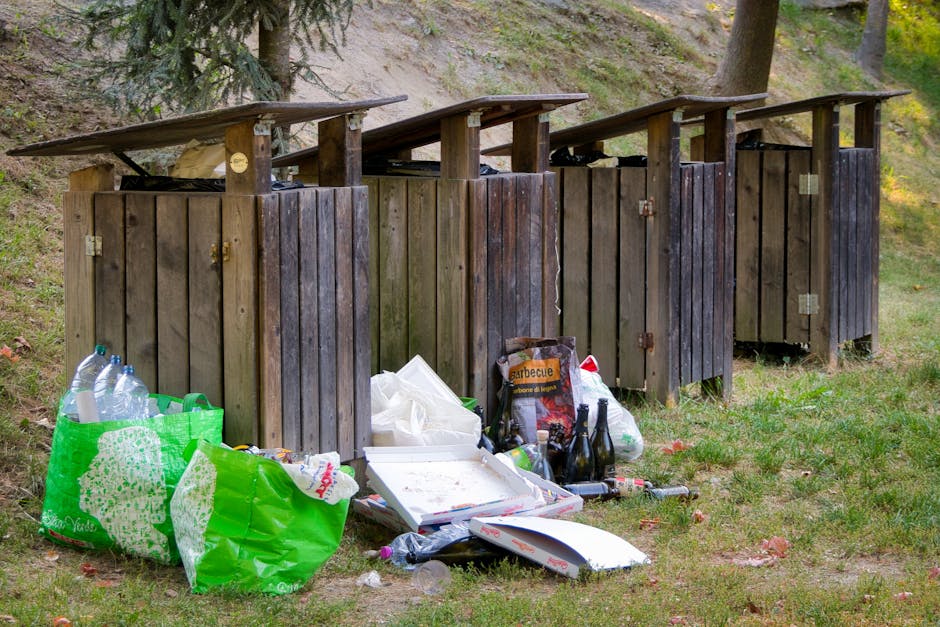
Mottingham Road communal bin rubbish collection tips for flats
If you live in a flat on Mottingham Road, you already know the rhythm: the bins fill faster than expected, the bay gets messy when people are in a rush, and one missed collection can throw the whole week off. The right Mottingham Road communal bin rubbish collection tips for flats can make a real difference. Not just in keeping things tidy, but in preventing smells, pests, blocked walkways, neighbour disputes, and those awkward moments when nobody quite knows whose rubbish is whose.
This guide gives you practical, real-world advice for managing shared bins in flats. It covers how communal bin collection works, what to do when things go wrong, how to avoid the most common mistakes, and when it may be worth arranging extra help such as flat clearance or broader waste removal. Nothing fluffy. Just usable guidance you can act on today.
Contents
- Why Mottingham Road communal bin rubbish collection tips for flats Matters
- How Mottingham Road communal bin rubbish collection tips for flats Works
- Key Benefits and Practical Advantages
- Who This Is For and When It Makes Sense
- Step-by-Step Guidance
- Expert Tips for Better Results
- Common Mistakes to Avoid
- Tools, Resources and Recommendations
- Law, Compliance, Standards, or Best Practice
- Options, Methods, or Comparison Table
- Case Study or Real-World Example
- Practical Checklist
- Conclusion
- Frequently Asked Questions
Why Mottingham Road communal bin rubbish collection tips for flats Matters
Shared bin areas are one of those things people barely think about until they become a problem. Then suddenly everyone has an opinion. In flats, the bin area is a common touchpoint for every resident, cleaner, landlord, managing agent, and collection crew. If the system is messy, everybody feels it.
Good communal bin management matters because rubbish in flats behaves differently from rubbish in houses. You often have less space, more households using the same bins, and less control over what people throw away. A sofa left beside the bin store, a bin lid that won't shut, or a bag left on the floor because the container was full can quickly become a bigger issue than it first looked.
On Mottingham Road, where flats may have limited access space and regular foot traffic, those small problems tend to compound. A lid left open after a rainy evening can mean wet cardboard and a nasty smell by morning. A few loose bags on the pavement can attract foxes or create a slip hazard. It's not dramatic, just inconvenient and a bit grim. And to be fair, nobody wants to start their day stepping around last night's leftovers.
There's also the neighbour factor. Shared bins work best when everyone understands the same rules. When residents know what goes where, when to put bins out, and how to avoid contamination, the whole block feels calmer. Fewer complaints. Less mess. Better recycling. It really is that simple, even if people sometimes make it feel complicated.
How Mottingham Road communal bin rubbish collection tips for flats Works
Communal bin collection for flats usually follows a simple pattern: residents place waste in the correct shared containers, the bins are presented for collection on the agreed day, and the waste contractor or local collection service empties them. The part that sounds simple is also the part that goes wrong most often.
In practice, success depends on a few moving pieces working together:
- Bin capacity: enough bins, or enough emptying frequency, for the number of households using them.
- Clear access: the collection crew needs safe access to the bin store or presentation point.
- Waste separation: recycling, food waste, general waste, and bulky items need to be handled separately where required.
- Resident behaviour: bags tied, lids closed, no side waste dumped beside containers unless specifically allowed.
- Property management: someone needs to monitor, remind, and sort issues before they build up.
That last part matters more than people think. A bin system is not just about collection day. It's about the days in between. If bins overflow on Tuesday and collection is Friday, what happens on Wednesday? That gap is where most communal bin problems start.
In a flat block, the best results usually come from combining clear resident guidance with a simple routine. For example: check bin stores on the evening before collection, move full bags into the right container rather than leaving them on the floor, and make sure bulky waste is booked out separately instead of abandoned by the bins. One small habit can save a lot of trouble later.
Key Benefits and Practical Advantages
When communal bins are managed well, the benefits are obvious. The space looks cleaner, but that's just the start.
- Less overflow: Waste is less likely to spill onto the ground if collection timing and bin use are planned properly.
- Reduced smell and pests: Closed bins and correct food waste disposal help keep vermin and odours down.
- Better recycling performance: Residents are more likely to sort waste correctly when instructions are clear.
- Safer shared spaces: Fewer loose bags, fewer trip hazards, and less mess around the bin store.
- Fewer complaints: A tidy, predictable system means less friction between neighbours and management.
- Lower risk of missed collections: Bins that are easy to access and correctly presented are less likely to be skipped.
There's a quieter advantage too: better first impressions. Anyone visiting the building, whether a guest, delivery driver, or prospective tenant, notices the bin area. A clean shared space signals that the block is looked after. Messy bins do the opposite in about three seconds flat.
If the block regularly generates excess waste, extra furniture, or end-of-tenancy rubbish, it can also be useful to pair regular collections with targeted services such as furniture disposal, furniture clearance, or even broader home clearance support. That way the communal bins are not forced to absorb items they were never designed for.
Who This Is For and When It Makes Sense
This kind of guidance is useful for a few different people.
- Tenants in flats who want to avoid bin disputes and understand the rules quickly.
- Landlords who need a simple, repeatable waste system that doesn't become a recurring headache.
- Managing agents responsible for keeping shared areas clean and compliant.
- Resident associations that want a fairer, tidier setup for everyone.
- Block cleaners or caretakers who need a practical routine rather than vague instructions.
It makes sense whenever the bin area is shared, especially if the building has a history of full bins, mixed recycling, bulky waste left outside, or residents who are unsure what to do with larger items. It also makes sense after a move-in, after refurbishment, or when occupancy changes. A building with four long-term residents behaves very differently from one with six short-let units and a steady stream of new tenants. You will notice that quickly.
If the issue is not just household rubbish but also renovation debris, you may need a separate route for builders waste clearance. Heavy rubble, plasterboard, broken fittings and similar items do not belong in a communal domestic bin store. That sounds obvious, but it is one of the most common mistakes in shared buildings.
Step-by-Step Guidance
Here's a straightforward way to manage communal bin rubbish collection in a flat block without overcomplicating it.
- Check the current bin setup. Count how many households use the bins, look at bin size and number, and note whether overflow is regular or occasional.
- Confirm collection days and rules. Make sure residents know when bins should be put out and brought back in, and what items are accepted.
- Label the bins clearly. Use plain language: general waste, mixed recycling, food waste, and any special instructions. Keep the wording simple.
- Set a presentation routine. Decide who moves the bins, who checks for contamination, and what happens if collection is delayed.
- Prevent side waste. Encourage residents to use bins only, not the floor beside them. If the bins are full, the issue needs escalation, not improvisation.
- Deal with bulky items quickly. A chair or mattress left by the bins rarely stays neat for long. Arrange proper removal rather than waiting for "someone else" to sort it.
- Review once a month. If the same problem keeps happening, the system probably needs adjusting, not just reminding.
One practical tip: keep a printed bin notice that is short enough to read in 10 seconds. Long notices are often ignored. A plain sign with three or four instructions tends to work better than a wall of text. People are busy. Sometimes they are carrying shopping, dogs, keys, the lot.
Expert Tips for Better Results
In our experience, the best communal bin systems are the ones that are boring. Quiet. Predictable. Nobody needs to think too hard about them. That is the goal.
Here are a few tips that genuinely help:
- Keep the route to the bins clear. If residents have to squeeze past bikes, furniture, or plant pots, waste will start being left elsewhere.
- Use fewer words, more clarity. "Rinse, sort, close, and bin" works better than a policy-heavy notice.
- Pair reminders with visual cues. A picture of what belongs in each bin can be more effective than a paragraph.
- Monitor the busiest times. Even a quick look after work hours can show whether overflow is linked to specific days.
- Separate regular waste from move-out waste. End-of-tenancy clear-outs are often the hidden cause of chronic bin overload.
- Act early on smells. Food waste and hot weather are a bad combination. So are open lids and wet cardboard. Let's face it, the bin store can turn sour quickly.
Another sensible move is to schedule occasional extra clearance when the block is under pressure. That might follow a tenancy change, refurbishment, or seasonal declutter. Services such as house clearance or loft clearance can help remove the "odd bits" that clog shared bins, especially in buildings where residents tend to store surplus items for too long.
Expert summary: communal bin management works best when the rules are short, the access is easy, and bulky waste is removed before it becomes everybody's problem. If the bin area is consistently tidy, the whole building feels easier to live in.
Common Mistakes to Avoid
Most bin problems in flats are not mysterious. They usually come from a handful of repeat mistakes.
- Letting bags sit outside the bins. Side waste is the fastest route to a messy store and unwanted pests.
- Mixing recycling and general waste. One wrong bag can ruin a whole load or reduce recycling quality.
- Ignoring bulky items. Chairs, mattresses, and broken wardrobes need a separate plan.
- Using the wrong bin for food waste. Food waste in general bins tends to smell faster and attract attention from animals.
- Assuming someone else will fix it. In communal setups, "someone else" often means nobody.
- Overfilling before collection day. If the bins are already packed on the morning before collection, the system is too tight.
Another mistake is treating the bin store as a dumping ground for anything inconvenient. Old paint tins, broken glass, electricals, and renovation debris all need a proper route. If the situation is more than routine rubbish, a broader waste removal arrangement may be the safer option.
And honestly, one badly placed bin bag can trigger a mini-chain reaction. A fox drags it open, a bit falls out, someone else thinks the area is already messy so they add another bag, and by evening the corner looks like it has given up on life. Not ideal.
Tools, Resources and Recommendations
You do not need a complicated system to improve communal bin collection. A few basic tools go a long way.
| Tool or resource | Why it helps | Best used by |
|---|---|---|
| Clear bin labels | Reduces confusion and improves sorting | Landlords, agents, caretakers |
| Simple noticeboard | Keeps collection information visible | Flats with shared entrances |
| Monthly inspection checklist | Helps spot overflow and contamination early | Managing agents, caretakers |
| Bulky waste removal plan | Stops furniture being left beside bins | Residents and property managers |
| Scheduled clearance support | Useful after moves, refurbishments, or tenancy changes | Blocks with frequent turnover |
If your building also deals with mixed commercial and residential waste, it can be worth separating responsibilities carefully. For example, a mixed-use property may need a more structured approach than a standard residential block, and business waste removal may be relevant where trade waste enters the picture. That matters because domestic bins are not a catch-all solution.
For residents who are clearing out furniture or a whole room, it may also help to look at furniture clearance rather than waiting for the next general collection. It is one of those choices that saves frustration later, especially when a bulky item is blocking access in a small bin yard.
Law, Compliance, Standards, or Best Practice
Waste handling in the UK is subject to legal and practical expectations, but it is wise to keep the explanation simple. In shared residential settings, the key issue is making sure waste is presented safely, stored properly, and disposed of through the correct route. Local collection arrangements can vary, so property managers and residents should follow the rules that apply to their building and the relevant local authority.
For flats, best practice usually means:
- keeping communal bin stores accessible and free from obstructions;
- preventing waste from being left outside containers;
- separating recyclable material where collection systems require it;
- removing bulky or hazardous items through the proper channel;
- maintaining safe conditions for residents and collection crews.
Health and safety also matters. Wet flooring, sharp edges, broken glass, and heavy overfilled bins can all create avoidable risks. A tidy bin area is not just a nice-to-have. It is part of keeping the property workable. If you are responsible for a block, it is sensible to think about safe access, manual handling, and prompt clearance after large waste surges.
Where a professional clearance provider is involved, it should be clear how waste is handled, what types of material are accepted, and how recycling is approached. If sustainability is important to the building, you may want to review a provider's recycling and sustainability approach, along with its health and safety policy and insurance and safety information. That kind of due diligence is not glamorous, but it is sensible.
If payment arrangements or booking confidence are a concern, the pages on payment and security and terms and conditions can help you understand how a service is structured before committing. Small detail, yes. Important detail too.
Options, Methods, or Comparison Table
Different flat blocks need different approaches. Here's a simple comparison to help you think it through.
| Method | Best for | Pros | Limitations |
|---|---|---|---|
| Basic resident-led system | Small blocks with cooperative residents | Low cost, easy to run | Can break down if people ignore the rules |
| Managed bin store routine | Medium blocks with caretaking or agency support | More consistent, better oversight | Needs someone to check and maintain it |
| Extra scheduled clearance | Blocks with frequent overflow or bulky waste | Reduces pressure quickly | Requires booking and coordination |
| Full-property declutter support | End-of-tenancy, move-outs, or major clean-ups | Removes large volumes in one go | More involved than routine collection |
If you are deciding between doing nothing and arranging a one-off clearance, ask yourself a simple question: is the bin issue routine, or is it really a volume problem? If it is volume, not behaviour, then a stronger solution is probably the right call. No point asking a tiny bin store to do the work of a skip.
Case Study or Real-World Example
Picture a small block on Mottingham Road with a shared bin area tucked behind the entrance. For a while, it works fine. Then two residents move out within a week, one new tenant arrives with boxes and old furniture, and the recycling bin starts filling faster than usual. By Friday afternoon, bags are sitting beside the bins. By Sunday, one lid won't shut. Monday morning, the area smells off and someone posts a complaint note in the hallway.
What changed? Not the collection service. The problem was the volume and timing.
The property manager responds with a few practical steps: they remind residents not to leave side waste, arrange removal of the old chair and broken shelving, add a short sign with collection instructions, and schedule a better-timed clearance for bulky items. Within a couple of weeks, the bin store is back to normal. Not perfect. Just workable, which is what most buildings really need.
That kind of fix is often less about one big intervention and more about removing friction. A cleaner route to the bins. Clearer instructions. Fewer oversized items hanging around. It sounds small, because it is. But small things make the big difference in flats.
Practical Checklist
Use this checklist to keep communal bin collection under control in a flat block.
- Are the bins large enough for the number of flats using them?
- Is the bin area clear, safe, and easy to access?
- Do residents know which waste goes in which container?
- Are collection days posted somewhere visible?
- Is side waste being removed before it builds up?
- Are bulky items handled through a separate plan?
- Is recycling contamination being reduced?
- Are bin lids closing properly?
- Is someone checking the bin store regularly?
- Would a one-off clearance help after a move, refurb, or tenancy change?
Quick takeaway: if you can keep the waste stream simple, the bin area tidy, and the bulky stuff out of the communal containers, most of the stress disappears. It really does. Not all of it, but enough to make life easier.
Conclusion
Good communal bin management is never just about bins. It is about shared space, habits, access, and making life easier for everyone in the block. The best Mottingham Road communal bin rubbish collection tips for flats are the practical ones: keep instructions simple, remove bulky items early, maintain clear access, and deal with overflow before it becomes a weekly nuisance.
If you live in or manage a flat building, the aim is not perfection. It is consistency. A system that works most days, looks decent, and does not leave everyone muttering outside the bin store at 8 a.m. on a damp Tuesday. That is a win.
If your communal bins are already stretched, a targeted clearance or a better waste plan may be the easiest next step. For more on the company's background, you can also visit the about us page. And if you are ready to sort the issue properly, start with a calm review and take it from there.
Get a free quote today and see how much you can save.
Frequently Asked Questions
What are the best Mottingham Road communal bin rubbish collection tips for flats?
The best tips are to keep bin labels clear, prevent side waste, remove bulky items separately, and make sure residents know the collection schedule. Simple systems usually work better than complicated ones.
How often should communal bins be emptied in flats?
That depends on the number of households, the type of waste, and how quickly the bins fill. If overflow is happening before the next collection, the current setup is probably too tight.
Why do communal bin areas smell so quickly?
Food waste, overfilled bins, open lids, wet cardboard, and warm weather can all make smells build up fast. Keeping lids shut and separating food waste helps more than people expect.
What should residents do with bulky items like chairs or mattresses?
They should not be left beside communal bins unless the building has a specific arrangement for them. Bulky waste needs a separate removal plan, such as clearance support or a booked collection.
Is side waste allowed next to communal bins?
Usually it is a bad idea, and in many buildings it is not allowed at all. Bags left beside bins often lead to mess, pests, and missed collections.
How can landlords stop rubbish being dumped in the wrong bin?
Short, visible labels and regular reminders help. So does making sure there is enough bin capacity. If people are constantly using the wrong container, the system may be confusing or underprovided.
What should I do if the communal bins are full before collection day?
If that happens often, the building may need more bins, more frequent collections, or occasional extra clearance. If it happens once in a while, residents should avoid leaving bags around the store and report the issue early.
Can a clearance service help with flat rubbish and communal overflow?
Yes, especially when the issue includes bulky waste, end-of-tenancy items, or repeated overflow. Services such as flat clearance can be helpful when the normal bin system is being overwhelmed.
How do I keep a communal bin area cleaner without spending much?
Start with clear signs, a routine check, and simple resident instructions. Often, the biggest improvements come from tidier behaviour and better access rather than expensive changes.
What waste should never go into communal bins?
Hazardous items, building rubble, large furniture, and anything the collection system does not accept should be kept out. If in doubt, arrange the correct disposal route rather than forcing it into a shared bin.
When does a block need professional waste help rather than basic bin management?
When overflow is regular, bulky items keep appearing, or the bin area cannot cope with resident demand. At that point, a more structured clearance or waste removal plan is usually the sensible option.
How can residents avoid arguments about bin use?
Keep the rules visible, make them easy to understand, and agree who handles what. Most arguments start when expectations are vague. A little clarity saves a lot of drama, honestly.
For further information about how the team works and what standards you can expect, you may also find the recycling and sustainability page useful.