Mottingham Station drop off options for small rubbish items
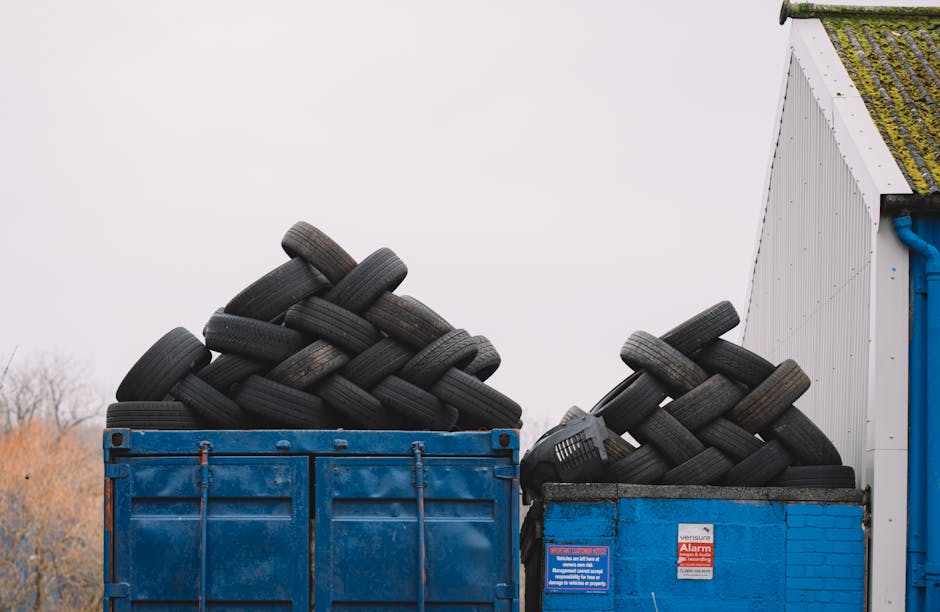
If you are trying to clear a few awkward bits and pieces without turning it into a whole-day ordeal, you are in the right place. The best Mottingham Station drop off options for small rubbish items are usually the ones that save you time, keep you legal, and stop tiny loads from becoming a bigger headache than they need to be. Think broken lamps, a bag of old cables, flattened cardboard, one small box of packaging, or a couple of unwanted kitchen items. Nothing dramatic. Just enough rubbish to be annoying.
In this guide, we break down how small-item drop off works near Mottingham Station, what to watch out for, when it makes sense, and how to choose a sensible option without overpaying or causing a mess. We will also cover practical steps, common mistakes, and a few real-world scenarios from the kind of everyday clear-outs people deal with all the time. Let's face it, most rubbish jobs are not huge. They're just inconvenient.
Why Mottingham Station drop off options for small rubbish items Matters
Small rubbish rarely feels urgent, but it adds up fast. A single bag of broken household items sits by the door. Then there is some cardboard from a delivery, a few bits from a flat clear-out, and maybe an old kettle or a cracked plastic storage box. By Friday, you have a pile that is too small for a major clearance but too awkward to ignore.
That is where local drop off options near Mottingham Station become useful. The point is not just disposal. It is convenience, timing, and keeping the job contained. If you are commuting, running errands, or already passing through the area, being able to handle small waste efficiently can save a second journey and stop clutter from hanging around for days. A tidy home feels lighter. Sounds obvious, but you notice it immediately.
There is also the practical side. Small rubbish items may be easy to carry, yet they still need to be handled properly. Mixed waste, sharp edges, electrical bits, and recyclable materials all have their own rules in everyday waste management. Choosing the right drop off option helps avoid fly-tipping risks, overflowed bins, and that awkward moment where you realise the item was never meant for general waste in the first place.
Key takeaway: the best drop off option is usually the one that matches the size, type, and urgency of your rubbish without creating extra travel, extra cost, or avoidable disposal problems.
How Mottingham Station drop off options for small rubbish items Works
In simple terms, the process is about matching a small load to the most sensible disposal route. For example, some items can be sorted for recycling, some may need a specialist waste service, and some are best handled through a straightforward collection or clearance arrangement. The trick is knowing which category your rubbish falls into before you start driving around with it in the boot.
For many people, the journey starts with a quick sort at home. Cardboard goes in one pile, small reusable bits in another, and anything broken, sharp, or potentially messy gets separated. Once you know what you have, you can decide whether your items are suitable for a general rubbish drop off, a recycling-focused disposal route, or a collection service that picks up from your home, flat, or office.
If you are already around Mottingham Station, the practical question is often less "where can I dump this?" and more "what is the cleanest legal way to get rid of this without wasting the afternoon?" That is a better question, to be fair. It leads to safer choices and fewer surprises.
For small rubbish items, the process usually looks like this:
- Identify what you have: rubbish, recycling, electricals, bulky fragments, or mixed waste.
- Separate reusable or recyclable pieces before bagging anything else.
- Check whether the items are dry, bagged, and safe to handle.
- Choose the most suitable local drop off or collection route.
- Keep records or confirmation if you are using a paid service, especially for business waste.
That sounds straightforward, and mostly it is. But the details matter. A bag of clean cardboard is very different from a bag of mixed household waste, and an old battery is not the same as a broken chair leg. Small decisions here save big problems later.
Key Benefits and Practical Advantages
People usually want a small rubbish solution for one or more of three reasons: speed, convenience, and certainty. The best options near Mottingham Station tend to deliver all three if you plan them properly.
Speed: When you have only a few items, waiting for a big collection date can feel silly. A local drop off or quick removal option gets the clutter gone sooner, which is especially useful before a move, a guest visit, a landlord inspection, or the weekend rush.
Convenience: If you are already in the Mottingham area, a nearby solution can fit around your day. That might mean combining disposal with a commute, a school run, or a stop on the way home. Tiny job, tiny disruption. That is the dream.
Better sorting: Small loads are easier to separate properly. You can set aside recyclables, isolate sharp bits, and avoid throwing everything into one black bag out of habit. In real life, that makes disposal cleaner and often more cost-effective.
Lower stress: It is amazing how much mental clutter a physical pile of junk can create. One box of old items by the hall, and suddenly it feels like the whole flat needs attention. Removing it can be a relief, not just a task.
Less risk of bad disposal: Fly-tipping, incorrect bin use, and unsafe handling are all avoidable when the disposal route is clear. That matters in London, where tight spaces, shared bins, and busy streets make poor disposal habits stand out fast.
There is another benefit that people often overlook: small-item drop off decisions help you build a better habit for future clear-outs. Once you know how to manage a few bits efficiently, bigger jobs become less intimidating. Not glamorous, but very useful.
Who This Is For and When It Makes Sense
This kind of solution suits a surprising number of people. It is not just for households with a half-empty bin bag and a broken lamp. It can help renters, homeowners, shop workers, landlords, office managers, and anyone dealing with the sort of "little pile" that does not justify a full clearance van.
You might find this useful if you are:
- Clearing out a room one bag at a time
- Getting rid of a few items after a delivery or flat-pack project
- Sorting post-renovation leftovers such as packaging, offcuts, or damaged fittings
- Replacing furniture, kitchenware, or storage items
- Cleaning up after a small office move or stock refresh
- Trying to avoid overfilling shared bins in a block of flats
It also makes sense when you do not want to wait for council collection dates, or when your rubbish is mixed enough that it needs a more deliberate approach. A quick example: a person clearing a cupboard may end up with cardboard, an old charger, a chipped mug, and a cracked shelf panel. That is a tiny job, but not one bin can solve neatly.
Truth be told, the "right" option depends on what you want most. If you want speed, one route wins. If you want sorting and recycling, another does. If you want almost no effort, a collection service is usually easier. The choice is less about rubbish and more about your day.
Step-by-Step Guidance
Here is a practical way to handle small rubbish items near Mottingham Station without making it more complicated than necessary.
- Gather everything in one place. Pull the small items together so you can see the real size of the job. It is easy to underestimate when things are spread between the kitchen, hallway, and shed.
- Sort by material. Cardboard, metal, wood, electricals, and general waste should not be mixed blindly. Some items may be recyclable even if they look like junk.
- Check for anything restricted. Batteries, chemicals, paint, sharp metal, or contaminated materials can need different handling. If it looks questionable, treat it carefully.
- Choose the disposal route. If you are already passing through Mottingham Station, a drop off option may suit. If the load is awkward or you do not have transport, a collection service may be the smarter move.
- Pack safely. Use strong bags or boxes, seal loose pieces, and keep sharp or dusty items contained. Nobody enjoys a rogue nail in the boot.
- Move it promptly. Once sorted, get it out the same day if you can. Delayed disposal is where clutter starts to multiply.
A useful habit is to keep a "small rubbish" box or bag in a cupboard or utility area. Add bits as they appear, then deal with them in one go. It sounds minor, but it stops clutter from creeping through the house like it owns the place.
Expert Tips for Better Results
Over time, the cleanest rubbish clear-outs are the ones that stay simple. A few small choices make a big difference.
- Keep recyclables clean and dry. Damp cardboard or food-stained packaging can limit what can be recovered. If in doubt, separate it.
- Flatten boxes before moving them. Small loads can suddenly become awkward if cardboard takes over the car boot. It happens more than people admit.
- Bundle light items together. Loose bits are annoying to carry and easy to lose. A tied bag or taped box keeps things sane.
- Do not mix unknown items. One odd item can turn a simple job into a cautious one. Keep old batteries, liquids, and electronics apart.
- Plan around traffic and timing. A five-minute errand can become a thirty-minute frustration if you choose the wrong time of day. Morning school-run traffic around local routes, for instance, is rarely your friend.
If you are using a paid clearance service, ask how they handle sorting and recycling before you book. The clearer the process, the fewer unwelcome surprises. That is especially useful if you care about responsible disposal rather than just getting things out the door.
And one more thing. Keep a photo of the load if you are comparing options or requesting a quote. It takes thirty seconds and saves a lot of back-and-forth. No one wants to play guessing games with a bag of mixed rubbish.
Common Mistakes to Avoid
The biggest mistakes with small rubbish items are rarely dramatic. They are small, ordinary, and easy to repeat.
- Assuming everything can go in one bag. Mixed waste may be allowed in some cases, but not every item belongs together.
- Leaving disposal too late. A little pile becomes a bigger pile very quickly. It is oddly efficient at growing.
- Ignoring sharp or fragile materials. Broken glass, metal edges, and splintered wood deserve proper packing.
- Using the wrong route for the waste type. Electrical items, chemicals, and some construction leftovers may need separate handling.
- Not checking access first. If you are dropping off from a flat or a tight street, think about carrying distance, parking, and lifting before you begin.
- Dumping items without considering legality. It sounds obvious, but fly-tipping cases often begin with "it was only a few small bits." That is exactly how people get into trouble.
A practical tip: if you are unsure whether something counts as small rubbish or needs specialist disposal, treat it as the more cautious case. That is usually the safer call.
Tools, Resources and Recommendations
You do not need fancy equipment to deal with small rubbish, but the right basics make life much easier.
| Tool or resource | Why it helps | Best for |
|---|---|---|
| Strong refuse sacks | Keep loose waste contained and easier to carry | General small household rubbish |
| Flat cardboard boxes | Good for packaging, paper, and light mixed bits | Cardboard and soft items |
| Tape and labels | Helps secure sharp or separate items | Mixed or fragile loads |
| Gloves | Useful when handling broken or dusty items | General safety during sorting |
| Digital photos | Makes quote requests and planning easier | Anyone comparing disposal options |
If you are arranging help from a local clearance provider, a helpful place to start is waste removal support, especially if your small items are mixed and need a tidy, sensible approach. For larger clean-outs that start small and somehow grow legs, the broader home clearance and house clearance pages are also worth knowing about.
If your rubbish came from a room refresh, office corner, or a quick reorganise, you may also find office clearance and furniture disposal useful. And if the job has a recycling angle, it is sensible to read the company's recycling and sustainability approach so you know how materials are handled.
For practical planning, the pricing and quotes page can help you understand how small-load jobs are usually assessed. If you are checking trust and operational standards, the company's insurance and safety information is worth a look too.
Law, Compliance, Standards, or Best Practice
When rubbish is being moved, sorted, or handed over for disposal, the key principle is simple: it should be handled responsibly and legally. You do not need to be a waste expert, but it does help to know the basic expectations.
For household rubbish, the main concern is avoiding unsafe disposal and making sure items do not end up abandoned, fly-tipped, or mixed with waste that requires separate treatment. For business waste, the standards are stricter in practice because there is usually a duty to keep records, use an appropriate service, and handle materials consistently. Even a small office clear-out can have compliance implications if paperwork, electronics, or confidential materials are involved.
Best practice usually includes:
- Separating recyclables where possible
- Keeping sharp or hazardous items contained
- Using a legitimate and transparent disposal route
- Keeping confirmation or records for business loads
- Checking access, safety, and lifting risks before moving items
If you are not sure how a specific item should be handled, err on the side of caution. That is the rule most people wish they had followed sooner. A quick example: old batteries and similar items may seem insignificant in a bag, but they should not be treated like ordinary household rubbish. Small does not mean harmless.
There are also basic safety standards to keep in mind. Broken items should be wrapped. Heavy bits should not be overpacked. And if a load seems unusual, dusty, or potentially contaminated, it deserves a more careful approach. No heroics required.
Options, Methods, or Comparison Table
Different small rubbish situations call for different methods. The best choice depends on how much time you have, how far you need to travel, and whether the items are simple household waste or something more specific.
| Option | Best for | Pros | Watch out for |
|---|---|---|---|
| Self-drop off | Very small, well-sorted loads | Quick, direct, often flexible | Parking, lifting, and sorting responsibilities |
| Local collection service | Mixed or awkward small rubbish | No transport needed, less hassle | May cost more than doing it yourself |
| Recycling route | Clean cardboard, packaging, and recoverable materials | Environmentally sensible, neat | Items must be suitable and properly separated |
| Special handling | Electricals, sharp items, or restricted waste | Safer and more compliant | Not every item qualifies, and preparation matters |
For many people, the decision is almost automatic once they see the load in front of them. If it is just a few dry, safe, light items, drop off can be the cleanest option. If it is mixed, awkward, or time-sensitive, collection is often easier. Simple as that.
And if you only need a bit more support, not a full-scale clear-out, that is perfectly normal. A lot of jobs start with one bag and end with a call for extra help. Happens all the time.
Case Study or Real-World Example
A very typical scenario is a small flat near Mottingham Station where a tenant has been clearing out a hallway cupboard. The pile is not huge: two cardboard boxes, a broken desk lamp, a handful of old cables, some packaging, and a chipped kitchen item. At first glance, it looks like something that should be easy to "just sort later." But later has a habit of turning into next week.
In this sort of case, the smartest move is to split the items before doing anything else. The cardboard and packaging can be separated from the lamp and cables. Fragile bits go into a box. The job is then either:
- taken out in one small, careful trip if transport is available, or
- passed to a local collection service if the item mix is awkward or the resident is short on time
What made the difference here was not size. It was organisation. Once the items were grouped properly, the load felt manageable instead of messy. The resident avoided the common trap of carrying everything out in a single shaky bag and hoping for the best. Sensible, really.
We see the same pattern with mini office clear-outs, too. Old stationery boxes, a few broken peripherals, and some packaging can feel trivial, but they still need a plan. The cleanest result comes from sorting first, then choosing the least disruptive route. Nothing flashy. Just orderly.
Practical Checklist
Use this checklist before dealing with small rubbish items near Mottingham Station.
- Have I sorted my items into recyclable, general, and restricted waste?
- Are any items sharp, fragile, dusty, or potentially hazardous?
- Do I know whether I can carry everything safely in one trip?
- Have I checked whether parking or access will be awkward?
- Do I need a drop off, a collection, or a recycling route?
- Have I packed everything in strong bags or boxes?
- Have I separated electrical or unusual items from ordinary rubbish?
- Do I need a quote before booking help?
- Have I considered whether the load is actually more than "small" once gathered together?
- Am I choosing a legal and responsible disposal route?
If you can tick most of those off, you are probably in good shape. If not, pause for a minute and sort the load properly. That small pause usually saves time later. Funny how that works.
Get a free quote today and see how much you can save.
Conclusion
The best Mottingham Station drop off options for small rubbish items are the ones that match the size of the job, the type of material, and the amount of effort you are willing to put in. For some people, that means a quick drop off of carefully sorted items. For others, it means booking a small collection and getting the whole thing off their mind in one go.
The real win is not just disposal. It is removing friction. Once the clutter is gone, the space feels calmer, cleaner, and easier to use. You notice the extra corner in the hallway. You notice the kitchen counter again. Small job, decent payoff. And if you are still weighing up the best route, that is fine too. A sensible pause is better than a rushed mistake.
Take the simple path, keep it safe, and do it properly. That is usually the best answer, even when the rubbish is only a few small bits.
Frequently Asked Questions
What counts as small rubbish items near Mottingham Station?
Usually it means a few bags or a small box of items such as cardboard, packaging, broken household bits, old cables, lamps, or small unwanted objects. The key is that the load is limited enough to manage without a large vehicle or major clearance.
Is it better to drop off small rubbish or book a collection?
It depends on your time, transport, and the type of waste. Drop off works well for tidy, well-sorted items. Collection is often better if the load is mixed, awkward, or you simply do not want the hassle of moving it yourself.
Can I mix cardboard, plastic, and general waste in one load?
Sometimes you can for transport, but it is usually better to separate recyclable items first. Clean cardboard and packaging are often easier to handle separately, while general waste should stay contained on its own.
What should I do with broken electrical items?
Keep them separate from normal rubbish where possible. Electrical items can need different handling, especially if they contain batteries, wiring, or plugs. If in doubt, do not bundle them into a random mixed bag.
How do I avoid fly-tipping problems?
Use a legitimate disposal route, keep items contained, and do not leave them somewhere public "for later." If a service is collecting or taking items away, make sure the arrangement is clear and proper from the start.
Are small rubbish items expensive to remove?
Not necessarily, but cost depends on the amount, type of waste, and whether transport or labour is needed. A tiny, simple load is usually easier to price than a mixed or awkward one. Photos can help when requesting a quote.
What if I only have one or two items?
That can still be worth dealing with, especially if the items are awkward, unsafe, or taking up space. A single broken item can be more annoying than a full bag of ordinary rubbish. Small doesn't mean insignificant.
Do I need to sort rubbish before asking for help?
It helps a lot. A rough sort makes it easier to decide whether something can be recycled, needs special handling, or simply goes as general waste. It also makes the quote process quicker and more accurate.
What are the most common mistakes people make with small rubbish?
The biggest ones are leaving it too long, mixing everything together, ignoring sharp or hazardous items, and assuming a small amount of waste cannot cause a problem. Unfortunately, a small mistake can still turn into a messy one.
Can businesses use the same small rubbish approach as households?
Sometimes, but not always. Business waste often needs more careful handling, especially if documents, electronics, or trade waste are involved. Records and compliance matter more for business loads than for casual household clear-outs.
What is the safest way to carry small rubbish items?
Use strong bags or boxes, do not overfill them, and keep anything sharp wrapped securely. If a load feels heavier than expected, split it into two trips. A rushed lift is never worth it.
How do I know if my small load is actually more than it looks?
Once you gather everything in one place, you often realise it is bigger than you thought. That is normal. A few scattered items around the house can become a proper little pile when counted together. That is usually the moment people decide they need help.
If you are trying to clear a small load near Mottingham Station, the safest route is usually the simplest one: sort properly, choose the right method, and move the items on without delay. Small jobs have a way of disappearing once they are handled well, and that feels good in a very ordinary, very satisfying way.