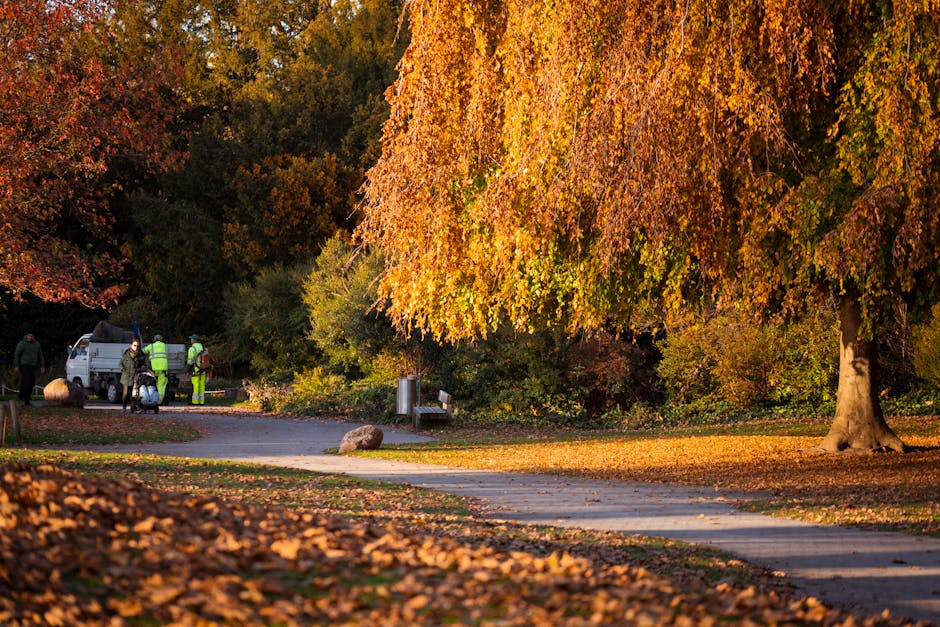
Scadbury Park cleanup: responsible removal for park events
Park events can be brilliant for a community, but they leave behind a very familiar problem: litter, mixed waste, damaged turf, and a long list of things that need removing before the space feels usable again. Scadbury Park cleanup: responsible removal for park events is about doing that job properly, with care for the landscape, the people using it, and the practical realities of getting a site back to normal without cutting corners.
Whether you are planning a small heritage walk, a family fun day, a volunteer gathering, or a larger seasonal event, the cleanup stage matters just as much as the set-up. Truth be told, the end of the event is often when the real work begins. This guide explains how responsible removal works, what to prioritise, where the common risks are, and how to make sure waste is handled in a way that is efficient, compliant, and respectful to the park environment.
For organisers who also need broader support with site clearance, it can help to understand related services such as waste removal, recycling and sustainability, and even specialist collections like garden clearance when outdoor areas need careful tidying after an event.
Table of Contents
- Why Scadbury Park cleanup: responsible removal for park events Matters
- How Scadbury Park cleanup: responsible removal for park events Works
- Key Benefits and Practical Advantages
- Who This Is For and When It Makes Sense
- Step-by-Step Guidance
- Expert Tips for Better Results
- Common Mistakes to Avoid
- Tools, Resources and Recommendations
- Law, Compliance, Standards, or Best Practice
- Options, Methods, or Comparison Table
- Case Study or Real-World Example
- Practical Checklist
- Conclusion
- Frequently Asked Questions
Why Scadbury Park cleanup: responsible removal for park events Matters
A park event does not end when the last stall closes or the final visitor walks away. It ends when the site is safe, tidy, and ready for normal use again. That is why responsible removal is not a nice-to-have extra; it is part of event delivery. In a place like Scadbury Park, where the setting itself is part of the appeal, the cleanup needs to be especially careful.
Open green spaces can be fragile. A few bags of careless waste, badly stacked equipment, or a missed pile of cups in long grass can turn into avoidable damage, complaints, or extra work for volunteers and contractors. Small items matter too: cable ties, broken stakes, food packaging, and fragments of signage can be easy to miss but awkward to recover later.
There is also a reputational angle. Visitors, local residents, and land managers notice how a site is left. A well-run cleanup shows that the event organiser took the park seriously, not just as a venue, but as a shared space that needs stewardship. That builds trust for future events. And let's face it, a tidy finish makes everyone's Monday easier.
Good cleanup practice also supports sustainability goals. If waste is sorted correctly, recyclable materials can be separated from general rubbish, and reusable event items can be recovered instead of discarded. That links naturally with a wider commitment to responsible recycling and sustainability, especially when an event produces mixed waste streams.
Expert summary: The most effective park cleanup is planned before the event starts. The more you think ahead about waste, access, and recovery routes, the less disruption you create at the end.
How Scadbury Park cleanup: responsible removal for park events Works
A responsible park cleanup usually follows a simple logic: identify what was brought in, separate what can be reused or recycled, and remove the rest safely without harming the site. The exact process depends on the size of the event, but the principles stay the same.
First, the team assesses what needs to come off-site. That usually includes food waste, packaging, disposable cups, signage, temporary barriers, event furniture, damaged props, and sometimes bulky items like gazebos or staging materials. If there has been construction of temporary features, a more structured approach similar to builders waste clearance may be useful because it helps handle mixed debris and heavier materials.
Next comes segregation. In practical terms, that means keeping recyclable materials separate from general waste wherever possible. Cardboard, certain plastics, metal, and clean timber may all be handled differently. Mixed black bag waste is often the easiest route on a busy day, but it is rarely the best route for cost, sustainability, or responsible disposal.
Then comes collection and removal. This can be done in stages, especially where access is limited or event infrastructure is spread out across the park. Smaller sites may only need a single sweep. Larger or multi-zone events often need a set route with designated collection points so waste does not get carried across delicate areas unnecessarily.
Finally, there is a post-clearance check. This is often where the quality of the whole operation becomes obvious. A proper final walk-through catches hidden waste under benches, near hedges, in long grass, or around access points. It also checks for leftover fixings, cable debris, or small hazards that could affect the next park user.
If the event involved temporary furniture, collapsible structures, or office-style equipment, it may be useful to combine the clean-up with a tailored furniture clearance approach, or a broader business waste removal plan if the organisers are managing commercial waste streams.
Key Benefits and Practical Advantages
A thoughtful cleanup plan does more than make the site look neat. It improves safety, reduces stress, and makes future events easier to approve and manage. That is the practical upside.
Some of the main benefits include:
- Faster site recovery so the park can return to public use sooner.
- Better safety because loose debris, sharp fragments, and trip hazards are removed promptly.
- Improved presentation for organisers who care about reputation and visitor experience.
- Lower waste costs when materials are sorted sensibly instead of treated as mixed rubbish.
- Reduced environmental impact through reuse, recycling, and responsible disposal.
- Less pressure on volunteers who may otherwise be left doing the final sweep with limited time or equipment.
There is another benefit that is easy to overlook: smoother logistics for the next booking. If a park is regularly used for events, a clean and orderly close-down makes the whole venue more dependable. It helps with access planning, insurance discussions, and general confidence from stakeholders.
For some organisers, the practical challenge is not just waste disposal, but the handling of leftover equipment after the event. In those cases, a dedicated office clearance or home clearance style collection may be less relevant than a blended event-clearance approach. The point is to choose a removal method that fits the actual materials on site, not just the label attached to them.
Who This Is For and When It Makes Sense
Not every park event needs the same level of clearance support, but many benefit from it. This is especially true when the event uses temporary structures, generates mixed waste, or involves multiple contractors. If your role includes responsibility for leaving the site clean, you are the audience.
This approach makes sense for:
- Event organisers running community festivals, fairs, or seasonal activities
- Charities hosting outdoor fundraisers or family events
- Schools, sports clubs, and community groups using park space for a day
- Vendors or exhibitors responsible for their own stall area and packaging
- Facilities teams coordinating end-of-event site recovery
- Land managers who want a reliable post-event clean-up method
It also makes sense when cleanup is likely to involve bulky items. If there are broken chairs, damaged tables, old display boards, or worn event furniture, then the removal job can overlap with furniture disposal or even a broader house clearance-style sorting process if items have been stored off-site and brought in for the event.
Sometimes the issue is seasonal rather than event-based. For example, after a community garden fair or outdoor workshop, there may be potting materials, soil bags, old display materials, and plant containers to remove. In that situation, garden clearance support can be especially useful because it aligns with the type of waste typically generated.
Step-by-Step Guidance
If you want a cleanup process that feels controlled rather than chaotic, work through it in stages. A calm, methodical finish almost always beats a rushed sweep at the end of a long day.
-
Map the waste zones before the event.
Identify where waste is likely to build up: catering points, entrances, seating areas, activity zones, and loading areas. If people know where to place waste, the site stays cleaner during the event too.
-
Provide the right containers and signage.
Label general waste, mixed recycling, and any special streams clearly. Even simple signage can reduce contamination and make sorting much easier later.
-
Assign responsibility.
One of the most common failures is assuming someone else will collect the last few bags. Nominate a clear lead for each area, especially if multiple volunteers or vendors are involved.
-
Use the right removal route for the materials.
Light packaging, catering waste, and reusable equipment should not be treated in the same way as heavy debris or mixed event materials. Matching the collection method to the waste stream saves time and avoids avoidable handling issues.
-
Do a structured walk-through.
Start at the furthest point and work back towards the exit. Check under benches, around trees, beside fencing, and along the access route. The small overlooked items are usually the ones people notice first afterwards.
-
Separate reusable items immediately.
Donation stock, reusable signs, storage boxes, and intact furniture should be set aside before anything else gets bagged. This keeps usable materials from being mixed with waste by accident.
-
Document what was removed.
A basic record helps with future planning, especially if the same park hosts repeat events. You do not need a complex system; a simple note of volumes, waste types, and problems is often enough.
For organisers managing several sites or recurring events, it can be helpful to compare cleanup needs with other services such as garage clearance or loft clearance only in the sense that both require disciplined sorting, safe lifting, and an eye for hidden clutter. Different setting, same principle: remove what should go, keep what should stay.
Expert Tips for Better Results
Experienced organisers know that a good cleanup starts well before the last bin bag is tied. The aim is not merely to remove waste. It is to remove it in a way that protects the site and reduces friction for everyone involved.
Useful practical tips:
- Place waste points where people naturally pass, not where they have to go out of their way.
- Keep recycling streams simple. Too many categories can backfire if signage is unclear.
- Use sturdy sacks and containers that can cope with damp grass, wind, and mixed contents.
- Plan for wet weather. Park waste gets heavier and messier very quickly after rain.
- Protect turf by avoiding repeated vehicle movement across soft ground.
- Schedule the cleanup while daylight is still available if at all possible.
- Reserve a small buffer for unexpected items such as broken stakes, lost property, or surplus stock.
One small but valuable habit is to take photos of the site before and after. They are not just useful for records; they help future teams see what "good" looks like. That can save a surprising amount of explanation later.
If you are working with a contractor, ask about their waste handling and insurance arrangements. A responsible provider should be comfortable discussing operational safety and waste destinations. If you need reassurance on that side, pages such as insurance and safety and the health and safety policy are worth reviewing before booking.
Common Mistakes to Avoid
Most cleanup problems come from assumptions. The event ends, everyone is tired, and the finish becomes rushed. That is usually when avoidable errors creep in.
Watch out for these common mistakes:
- Leaving sorting until the very end. Mixed waste is harder to manage and more likely to be contaminated.
- Underestimating the amount of small litter. Small debris spreads easily across grass, paths, and planting edges.
- Using the wrong containers. Flimsy bags or overloaded bins can fail at the worst moment.
- Forgetting access routes. A clear collection point is only useful if vehicles and staff can actually reach it.
- Ignoring reusable materials. Many events discard items that could have been stored, donated, or reused.
- Failing to check hidden spaces. Fences, bushes, and temporary structures trap more rubbish than people expect.
- Skipping the final site inspection. This is how trip hazards and stray fixings get left behind.
There is also a planning mistake worth calling out: assuming all waste can be treated the same way. That usually leads to higher disposal costs and weaker environmental performance. A more thoughtful method is closer to a tailored clearance plan than a simple bin-emptying exercise.
Tools, Resources and Recommendations
Good tools do not need to be complicated, but they do need to be suitable for the environment. Parks are not tidy warehouse floors. Ground can be uneven, wet, windy, or muddy, and that changes what works well.
Recommended tools and resources include:
- Heavy-duty waste sacks and labelled recycling bags
- Gloves, grabbers, and litter-picking tools
- Reusable crates or stackable containers for sorted materials
- Wheelbarrows or hand trolleys for moving heavier items safely
- Basic signage for waste points and back-of-house areas
- A site map showing entry points, collection zones, and high-traffic areas
- Contact details for the removal team and event lead
For larger or more complex events, it can be helpful to speak early with a provider about likely volumes and material types. That is where a page like pricing and quotes becomes genuinely useful, because the cleaner the brief, the more accurate the estimate tends to be. Nobody enjoys surprises on the day, least of all in the final hour when everyone wants to go home.
You may also want to review standard support pages before booking, especially if the event involves deposits, payment timing, or data handling. The company's payment and security information and privacy policy can help set expectations in advance.
Law, Compliance, Standards, or Best Practice
For event cleanup in the UK, the safest approach is to treat waste handling as a matter of duty, not just convenience. The exact obligations depend on the materials involved and the nature of the event, but a few broad expectations are consistent across good practice.
Waste should be handled by people who understand safe lifting, contamination control, and proper disposal routes. Materials that can be recycled or reused should not be casually mixed with general rubbish if avoidable. If waste is produced by a business, charity, or event organiser, records may be important for internal accountability and, in some cases, for demonstrating responsible handling.
Best practice also means checking the contractor's approach to safety and environmental care. That includes:
- appropriate public liability and operational cover
- clear handling methods for bulky or awkward items
- responsible sorting of recyclable materials
- safe loading and transport procedures
- respect for access, pedestrians, and sensitive ground conditions
It is sensible to read service policies before booking, particularly the terms and conditions and complaints procedure. Those pages are not exciting reading, admittedly, but they do give useful clarity when you want to know how a job will be handled if something changes.
Where sustainability matters, choose removal practices that support recycling and avoid unnecessary landfill use. For many organisers, that is no longer a bonus; it is part of the standard expected by the community and by the venue.
Options, Methods, or Comparison Table
There is more than one way to deal with post-event waste. The right method depends on scale, material type, access, and how quickly the site needs to be restored.
| Method | Best for | Pros | Limitations |
|---|---|---|---|
| Volunteer sweep and bagging | Small community events with light litter | Low cost, flexible, simple to arrange | Can be slow, inconsistent, and less effective for bulky items |
| Staged contractor clearance | Medium to large events with mixed waste | More efficient, safer handling, better sorting | Requires planning and clear access arrangements |
| Mixed skip-style removal | Events with heavier debris or large volumes | Useful for rapid removal of varied materials | Less selective unless sorting is done beforehand |
| Reusable item recovery first | Events with signage, furniture, or stock to retain | Reduces waste and preserves usable assets | Needs disciplined separation and storage space |
In practice, the best result often comes from combining methods. For example, a volunteer team may handle light litter and a contractor may collect bulky or awkward items. That hybrid approach is often more realistic than expecting one method to do everything well.
Case Study or Real-World Example
Imagine a family-focused park event with food stalls, a small stage, temporary seating, wayfinding signs, and a few exhibition tables. During the day, waste builds up in three predictable places: food areas, entry points, and the activity zone near the stage.
A sensible cleanup plan would start with collection stations placed near those hotspots, so packaging and cups are gathered before they scatter. Once the event ends, reusable signs are removed first and stacked separately. Then bags from the catering areas are collected, followed by seating-area litter, loose tape, and any broken materials from the stage area.
The final sweep is where the value becomes obvious. A volunteer spots a handful of cable ties under one bench, a strip of tape near the path, and a damaged board tucked behind a barrier. Individually, these are minor. Together, they create the impression of a rushed finish. Removing them takes only a few minutes, but it changes the whole feel of the site.
That is the real lesson: the quality of a park cleanup is often measured by the smallest details. The visible rubbish gets attention, but the hidden leftovers decide whether the space feels fully restored.
Where event organisers need storage or off-site sorting support for recovered items, a service like flat clearance may not be the exact same task, but the same principle applies: separate the useful from the disposable, and move each item through the right route.
Practical Checklist
Use this checklist as a final-run guide before, during, and after the cleanup.
- Confirm who is responsible for each waste zone
- Label general waste, recycling, and reusable-item areas clearly
- Check access for collection vehicles or hand-carry routes
- Keep heavy and sharp items separate from light litter
- Protect grass and paths from unnecessary traffic
- Set aside reusable signs, furniture, and equipment immediately
- Do a full sweep of seating areas, entrances, and hedgerows
- Look for cable ties, tape, stakes, and other small hazards
- Take after-photos for records and future planning
- Confirm that all waste has been removed from the site
Quick rule of thumb: if you think something might be left behind, check it twice. Parks have a habit of hiding litter in plain sight.
Conclusion
Responsible park cleanup is not just about making an event look finished. It is about protecting the site, respecting the people who use it, and creating a process that works cleanly from start to finish. For Scadbury Park cleanup and similar outdoor events, the best results come from planning ahead, sorting materials sensibly, and choosing a removal approach that fits the event rather than forcing the event to fit the removal plan.
When cleanup is handled well, the park recovers faster, the team feels calmer, and the event leaves behind a good impression instead of a pile of avoidable work. That matters whether you are organising a one-off local gathering or a recurring community date in the calendar.
If you are comparing options, reviewing service details, or planning a one-off collection for an event site, it is worth taking a look at the support pages, policies, and quote information first so you know exactly what to expect.
Get a free quote today and see how much you can save.
Frequently Asked Questions
What does responsible park event cleanup actually include?
It usually includes litter picking, waste segregation, removal of bulky items, recovery of reusable materials, and a final site check for hazards or leftover debris.
Why is park cleanup different from ordinary waste removal?
Parks need extra care because of grass, trees, pathways, wildlife sensitivity, and public access. The cleanup has to protect the site as well as remove waste.
How soon should cleanup start after a park event?
Ideally, cleanup begins as soon as the event ends or as soon as the busiest areas are clear. The longer waste sits, the more likely it is to spread or become harder to recover.
Can recyclable materials be separated after the event?
Yes, but it is far easier and more effective to separate them during the event or immediately afterwards. Once materials are mixed and contaminated, recycling options can become limited.
What kind of waste is usually left after a park event?
Common examples include cups, packaging, food waste, signs, tape, cable ties, broken chairs, temporary fencing parts, and general litter from high-traffic areas.
Do I need a professional service for a small community event?
Not always. A small event may be manageable with volunteers. But if there are bulky items, mixed waste, or tight turnaround times, professional support is often the more practical choice.
How can I reduce cleanup costs for a park event?
Plan waste stations well, separate materials properly, reduce single-use items where possible, and make sure reusable equipment is recovered before it gets mixed with rubbish.
What should I check before booking a cleanup provider?
Check their approach to safety, insurance, waste handling, recycling, access planning, and any relevant terms or quote details. Clear communication up front prevents problems later.
Is it safe to leave cleanup until the next day?
Sometimes it is unavoidable, but it is not ideal. Leaving waste overnight can increase litter spread, attract wildlife, and create a worse impression for park users and local stakeholders.
What happens to reusable items after the cleanup?
They should be separated from waste and either stored, reused, donated, or returned to the organiser. Reusable items are often the easiest way to cut waste volumes if they are recovered promptly.
How do I know whether a site needs a full clearance or just a light sweep?
Look at the volume and type of material left behind. Light litter and packaging may only need a sweep, while mixed debris, furniture, or broken structures usually call for a more structured clearance.
Where can I find more information before arranging a collection?
Useful starting points include the service pages, quote information, safety guidance, sustainability details, and policy pages. They help you understand how the job will be handled and what standards to expect.