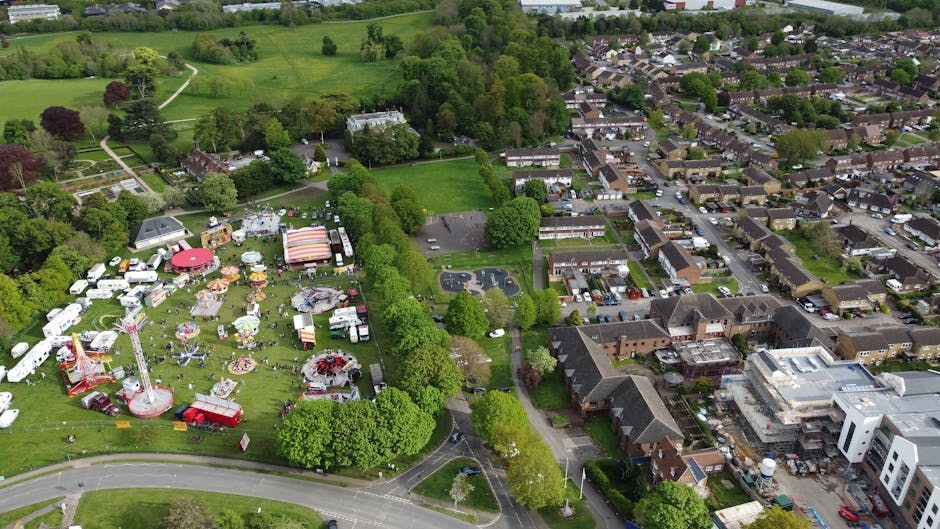
Scadbury Park rubbish removal for community events
Community events have a lovely way of filling a space with energy, chatter, and half-finished paper cups. They also leave behind a mess faster than most organisers expect. If you are planning Scadbury Park rubbish removal for community events, the real challenge is not just getting rid of waste at the end; it is making sure the park stays welcoming, safe, and easy to enjoy throughout the day.
Whether you are running a neighbourhood picnic, a volunteer tidy-up, a small fundraiser, a family fun day, or a local heritage gathering, rubbish management can make the difference between a smooth event and a stressful one. This guide walks through how it works, what to plan for, where the common problems usually appear, and how to keep everything tidy without overcomplicating the day. Simple enough. But not always easy, to be fair.
For a broader look at responsible clearance services and operational standards, you may also find the pages on waste removal, business waste removal, and recycling and sustainability useful while you are planning.
Table of Contents
- Why it matters
- How it works
- Key benefits and practical advantages
- Who this is for and when it makes sense
- Step-by-step guidance
- Expert tips for better results
- Common mistakes to avoid
- Tools, resources and recommendations
- Law, compliance, standards, or best practice
- Options, methods, or comparison table
- Case study or real-world example
- Practical checklist
- Conclusion
- Frequently asked questions
Why Scadbury Park rubbish removal for community events Matters
Scadbury Park is the kind of place where people expect a calm, well-kept outdoor setting. That is exactly why rubbish management matters so much. When bins overflow or litter drifts across paths and grass, the whole feel of the event changes. Visitors notice immediately. Volunteers notice too. And if children are involved, the risks become more obvious still.
Good event clearance is about more than appearance. It supports safe footpaths, reduces the chance of wildlife disturbance, and prevents waste from being blown into hedgerows, water edges, or planted areas. It also helps organisers avoid the awkward post-event scramble where everyone assumes someone else booked the cleanup. We have all seen that look on a committee member's face. It is not a happy one.
There is also a reputational side to it. Community events are often repeated yearly, or they depend on public goodwill and local support. A tidy site sends a clear signal that the event group respects the park and the people who use it. That trust matters, especially if you want the event to grow.
Expert summary: If the event is public-facing, outdoor, and likely to create mixed waste, plan rubbish removal as part of the event itself, not as an afterthought. That simple mindset usually prevents the worst problems.
How Scadbury Park rubbish removal for community events Works
In practical terms, rubbish removal for a park event usually follows a straightforward pattern: assess the likely waste, place collection points in sensible locations, monitor the bins during the event, and remove everything promptly afterwards. The exact approach depends on the size of the event, the number of attendees, and what kind of activities are taking place.
A small community stall day may only need a few bagged collections and a clear plan for mixed recycling. A larger event with food vendors, craft tables, temporary seating, and promotional materials will create a more complicated waste stream. That might include food packaging, cardboard, food scraps, broken displays, drinks containers, and general litter. If there are set-up or take-down materials too, you may need support that looks a little more like builders waste clearance than a standard bag collection.
The most effective approach is usually to separate waste at source. In plain English, that means setting up the right bins or sacks where people actually need them, instead of hiding them near the exit and hoping for the best. Near seating, food tables, and entrances tends to work well. If the bins are too far away, rubbish ends up on benches, in pockets, or, somehow, balanced on a post.
Collection timing matters too. During busy periods, bins may need to be checked and changed more than once. After the event, a final sweep should catch small items like bottle caps, napkins, tape, tie-wraps, and packaging fragments. These tiny bits are usually what make a site look untidy long after the main rubbish has gone.
What gets removed?
- General litter and bagged waste
- Food packaging and disposable cups
- Cardboard and paper from stalls or displays
- Leftover decorations and signage
- Temporary furniture or damaged event items
- Overspill from bins and recycling points
Key Benefits and Practical Advantages
There are several reasons organised rubbish removal makes events run better. Some are obvious. Others only become obvious after a windy afternoon has scattered wrappers across the grass.
Cleaner presentation. A neat site feels more inviting. People tend to stay longer, spend more time at stalls, and treat the area with more care when it already looks looked after.
Better safety. Clear walkways reduce slips, trips, and awkward pile-ups around bins. Broken packaging, glass, or sharp objects can be handled faster when there is a proper removal process in place.
Less pressure on volunteers. Community organisers usually wear enough hats already. Event logistics, welcome points, vendor queries, welfare, and setup are enough without everyone also acting as the bin team. A cleaner workflow lets volunteers focus on the event itself.
More efficient end-of-day turnaround. If the cleanup has been planned properly, the park can return to normal quickly. That matters for local goodwill and, frankly, for your own peace of mind.
Better recycling outcomes. If cardboard, bottles, and mixed recyclables are separated sensibly, more of the event waste can be managed responsibly. For many organisers, that is a meaningful priority. The recycling and sustainability page can help frame that approach.
Reduced complaints. Nearby residents, park users, and event attendees are less likely to raise concerns when the site is maintained properly during and after the gathering.
Who This Is For and When It Makes Sense
This kind of service makes sense for anyone managing a community event in or around Scadbury Park where waste is expected and the organiser wants a clean, controlled finish. That could be a residents' association, a school group, a charity, a faith group, a local sports club, or a committee organising a seasonal event.
It is especially relevant when the event includes food sales, craft stalls, set-up structures, temporary seating, children's activities, or any arrangement likely to create mixed waste. It also matters if the event involves a lot of volunteers and you do not want to burden them with a heavy cleanup after the crowds leave.
If the event is smaller and low-waste, you may only need a simple collection plan. But once there are multiple vendors or a larger footprint, the benefits of a clear removal strategy rise quickly. Truth be told, a modest event can become messy very fast if there is no one watching the waste streams.
It can also make sense where there are safeguarding or site-control concerns. Some organisers prefer waste removed promptly rather than left in bags overnight. That is a sensible instinct. No one wants bins attracting animals, odours, or complaints the next morning.
Step-by-Step Guidance
A sensible event cleanup plan does not need to be complicated. It just needs to be thought through before the first bag is filled.
- Estimate the waste volume. Think through the number of attendees, food providers, and stallholders. A family event with snacks creates very different waste from a heritage talk with tea urns and printed handouts.
- Identify waste types. Separate general waste, recycling, cardboard, food waste, and bulky items where possible. If you expect furniture, display boards, or damaged event items, plan for a clearance method that can handle them safely.
- Map the site. Decide where bins, sacks, and collection points should go. The best spots are usually visible, convenient, and sheltered enough not to tip over in the wind.
- Assign responsibility. One person should know who checks bins, who calls the removal team, and who does the final walk-through. Without this, cleanup tasks get passed around like a hot potato.
- Plan collection timing. Do not wait until the end if the event runs long or serves food. Mid-event collections often prevent overflow and keep the place tidy.
- Do a final sweep. Check under benches, around hedges, by entrances, and near temporary stalls. Small litter is easy to miss when you are tired.
- Record anything unusual. If you find damaged equipment, sharps, or unexpected bulky waste, make a note for future planning. Little lessons like this save time next time.
If the event generates more than routine litter, you may also need support from a wider waste removal team or services such as furniture disposal if temporary seating, broken tables, or old fixtures are involved.
Expert Tips for Better Results
One of the simplest improvements is to place bins where people naturally pause. Near food areas, entry points, and seating usually works best. If people have to search for a bin, they will often leave waste on the nearest surface instead. Human behaviour being what it is, that part never really changes.
Use clear bin labels. People should not have to guess whether something belongs in general waste or recycling. Labels can be simple and visual. The less thinking required, the better the sorting tends to be.
Use liners or sacks that are properly sized for the bin body. Oversized bags flap about and tear; undersized ones are awkward to secure. It sounds basic, but these small practical details make the whole process smoother.
Have a rainy-day backup. Outdoor events in the UK can turn from pleasant to soggy in a matter of minutes, and wet cardboard or soggy packaging behaves differently from dry waste. It weighs more, tears more easily, and tends to attract more mess.
For larger gatherings, consider a late-afternoon checkpoint. A quick bin review before the event ends can stop the ugly half-hour where waste reaches the top and people begin balancing cups on railings. Not ideal.
And one more thing: brief the stallholders, not just the volunteers. If vendors know where to put their waste, what to do with packaging, and when collections happen, your cleanup will be calmer from the start.
Common Mistakes to Avoid
The biggest mistake is underestimating the volume of waste. People often plan for one bag per stall and end up with three. Food, napkins, cardboard, and drink containers build up quickly, especially if the weather is good and attendance is stronger than expected.
Another common issue is putting all bins in one area. That creates bottlenecks and, later, overflow around the busiest parts of the site. Spreading collection points around the event space works much better.
A third problem is leaving the final sweep too late. Once volunteers are tired and visitors are leaving, small litter becomes invisible. It is the details that make the site look clean, not just the obvious bagged waste.
People also forget to plan for bulky waste. A broken gazebo frame, a damaged table, or a pile of leftover signage does not belong in the nearest general bin. That is where proper clearance planning helps, and sometimes a service like garage clearance is a surprisingly useful fit for awkward mixed items that need removing in one go.
Finally, do not rely on memory alone. Write the plan down. Even a simple one-page checklist makes a huge difference when the event is busy and everybody is being asked twenty things at once.
Tools, Resources and Recommendations
You do not need a warehouse of equipment to keep an event tidy, but a few well-chosen items make life much easier.
- Heavy-duty refuse sacks for general waste and mixed litter
- Clearly marked recycling bins for cardboard, cans, and bottles where appropriate
- Gloves and litter pickers for safe, efficient sweeping
- Bin labels or simple signs to reduce confusion
- Trolleys or barrows for moving heavier waste to the collection point
- Weatherproof covers if bins may be exposed to rain or wind
- Spare sacks and tape because you always need more than you think
It can also help to coordinate your waste plan alongside event setup and site restoration. If the event includes floral displays, grass-edge trimming, or post-event tidying around planting areas, a page like garden clearance may be relevant for understanding how green waste and outdoor site material are handled.
For organisers comparing approaches, it can be worth speaking to a provider about access, load size, and recycling separation before the event date. That one conversation can prevent a whole chain of awkward last-minute fixes. Honestly, those fixes are rarely graceful.
Law, Compliance, Standards, or Best Practice
Community event waste management in the UK is best approached with sensible, documented good practice. You do not need to turn it into a legal seminar, but you should assume a duty of care for the waste your event creates and for the safety of the people handling it.
In practical terms, that means using a responsible waste carrier, keeping waste contained, not dumping it where it should not go, and making sure anyone handling it understands safe lifting and contamination risks. If sharps, broken glass, or potentially hazardous items appear, they should be isolated and handled carefully rather than mixed into general waste.
For organisers, the strongest approach is to keep records of the collection plan, the type of waste generated, and the removal arrangements. That helps with future planning and demonstrates that the event was managed thoughtfully. The health and safety policy and insurance and safety pages are helpful references if you are aligning waste handling with wider event responsibilities.
Best practice also includes protecting access routes, avoiding blocked exits, and ensuring bags are not left where they could obstruct visitors or staff. If the cleanup involves volunteers, give them gloves, brief instructions, and a realistic time window. A rushed cleanup at dusk, with one torch between three people, is not a great look.
If your event uses contractors, look for clear terms around collection timing, site access, and what counts as mixed waste versus bulky waste. Where agreements are involved, it is sensible to review terms and conditions and privacy policy information if any booking or contact details are shared during planning.
Options, Methods, or Comparison Table
Different events need different cleanup methods. The best option depends on volume, speed, budget, and how hands-on your team can be.
| Method | Best for | Pros | Limitations |
|---|---|---|---|
| Volunteer-led bag collection | Small community gatherings | Low cost, flexible, simple | Relies on available people and can be slow |
| Planned bin drop-off and collection | Medium outdoor events | Better control, cleaner site, easier sorting | Needs planning and enough bin capacity |
| Dedicated waste removal support | Busy events with mixed waste or bulky items | Faster clear-up, less strain on volunteers, more reliable | May cost more than doing it informally |
| Hybrid approach | Larger community events | Balanced, practical, scalable | Needs good coordination to avoid gaps |
In most real-world cases, a hybrid approach is the most sensible. Volunteers manage day-to-day litter while a dedicated collection handles the bulk material and final removal. That way, no one gets stuck hauling four overfilled bags in a rain shower at 7 p.m., which is the sort of thing that sounds small until you are the person doing it.
Case Study or Real-World Example
Imagine a local Saturday community event in Scadbury Park with food stalls, children's activities, a small craft tent, and a volunteer information point. Nothing huge, but busy enough to keep people moving for several hours. At first glance, the waste looks manageable. A few bins, a few sacks, job done. But as the day develops, packaging builds up near the food area, cardboard starts stacking behind one stall, and cups begin appearing on benches.
The organiser responds by adding a second bin station near the seating area and asking one volunteer to do a quiet twenty-minute sweep before the final hour. That small adjustment changes the whole feel of the site. Bags do not spill over, the path stays clear, and the final collection is quicker because the waste is already grouped neatly. No drama. Just a better outcome.
Then there is the post-event clear-up. A broken folding chair and two damaged display boards cannot go in ordinary bin bags, so they are separated for proper removal. The next time the group plans an event, they know to include a small allowance for bulky items and more cardboard than they first thought. That is how sensible planning tends to improve: one event at a time.
For organisers who want to build a more robust setup next time, looking at structured services such as furniture clearance can be useful when temporary event furniture or display items need removing quickly and responsibly.
Practical Checklist
Use this checklist before the event, during the event, and at the end. It is simple, but it works.
- Confirm the expected number of attendees
- List all waste types likely to be generated
- Place bins where people will naturally use them
- Label recycling and general waste clearly
- Brief volunteers and stallholders on bin locations
- Plan at least one mid-event waste check
- Keep spare liners, gloves, and tape available
- Separate bulky waste from bagged litter
- Do a final sweep of paths, seating, and edges
- Arrange prompt removal so waste is not left overnight
- Record any issues for next time
Quick takeaway: If the cleanup plan feels too light on paper, it is probably too light in reality. Add one more bin point, one more spare sack, and one more walk-through. You will rarely regret that.
Conclusion
Scadbury Park rubbish removal for community events is really about respect: respect for the park, for the people attending, for the volunteers doing the hard work, and for the next visitors who want to find the place clean and calm. The best systems are not flashy. They are practical, well-timed, and easy for real people to follow.
If you build waste planning into the event from the start, you reduce stress, improve safety, and make the whole day feel more organised. And that matters more than it may seem while you are still at the planning stage. Once the music stops, the tea urn cools, and the last chair is folded away, good cleanup is what people remember. Or at least, what they do not complain about. Which is a win too.
For organisations comparing related support services, the pages on home clearance, house clearance, and office clearance can also be helpful when you are thinking about different kinds of removal work and how they are planned.
Get a free quote today and see how much you can save.
Frequently Asked Questions
What is included in Scadbury Park rubbish removal for community events?
It usually includes the collection of general litter, food packaging, cardboard, drinks containers, and any other waste created by the event. Depending on the setup, it may also cover bulky items like damaged tables, signs, or temporary fixtures.
How far in advance should I arrange rubbish removal for a community event?
As early as possible. The bigger the event, the earlier you should plan it. For a small gathering, a short lead time may be enough. For a busier event with vendors or multiple waste streams, early planning makes everything easier.
Do I need separate bins for recycling at a park event?
Often, yes. If you expect cardboard, bottles, or cans, separate bins can improve recycling and keep general waste from filling up too quickly. The key is to label them clearly so people are not guessing.
What happens if the event creates more waste than expected?
That is common, actually. A good plan includes spare sacks, extra bin capacity, and a contact point for additional removal if needed. It is better to overprepare slightly than scramble at the end.
Can volunteers handle the cleanup without professional help?
For a small, low-waste event, yes, they often can. But if there is bulky waste, a large crowd, or a tight turnaround, professional support can save time and reduce strain on volunteers.
How do I stop litter from spreading around the park?
Put bins in visible, convenient places; empty them before they overflow; and do a final sweep at the end. Wind can move light waste quickly, so keep lids or liners secure where possible.
What should I do with damaged chairs, boards, or display materials?
Keep them separate from general litter. Bulky items usually need a different removal approach from bagged waste, and they should not be forced into ordinary bins.
Is it worth booking a dedicated waste service for a small event?
Sometimes yes, especially if the event includes food, paper waste, or volunteers who already have enough to manage. If the cleanup would distract from the event itself, dedicated support is often worth it.
How do I make the site look clean before visitors leave?
Do not wait for the final five minutes. Start collecting overflow early, keep a spare bin or sack handy, and do one walk-through of paths, benches, and edges before the public begins to thin out.
What are the biggest mistakes organisers make with event rubbish?
Underestimating waste, placing bins badly, forgetting bulky items, and leaving cleanup too late. Those four issues cause most of the avoidable mess.
How can I keep rubbish removal aligned with sustainability goals?
Use clearly marked recycling points, reduce single-use materials where practical, separate cardboard and containers, and choose a removal approach that supports responsible waste handling. Small changes add up.
Who should I speak to about planning the waste side of the event?
The person coordinating the event, the volunteers managing setup, and any waste removal provider should all be in the same conversation. That is usually the easiest way to avoid crossed wires and last-minute surprises.